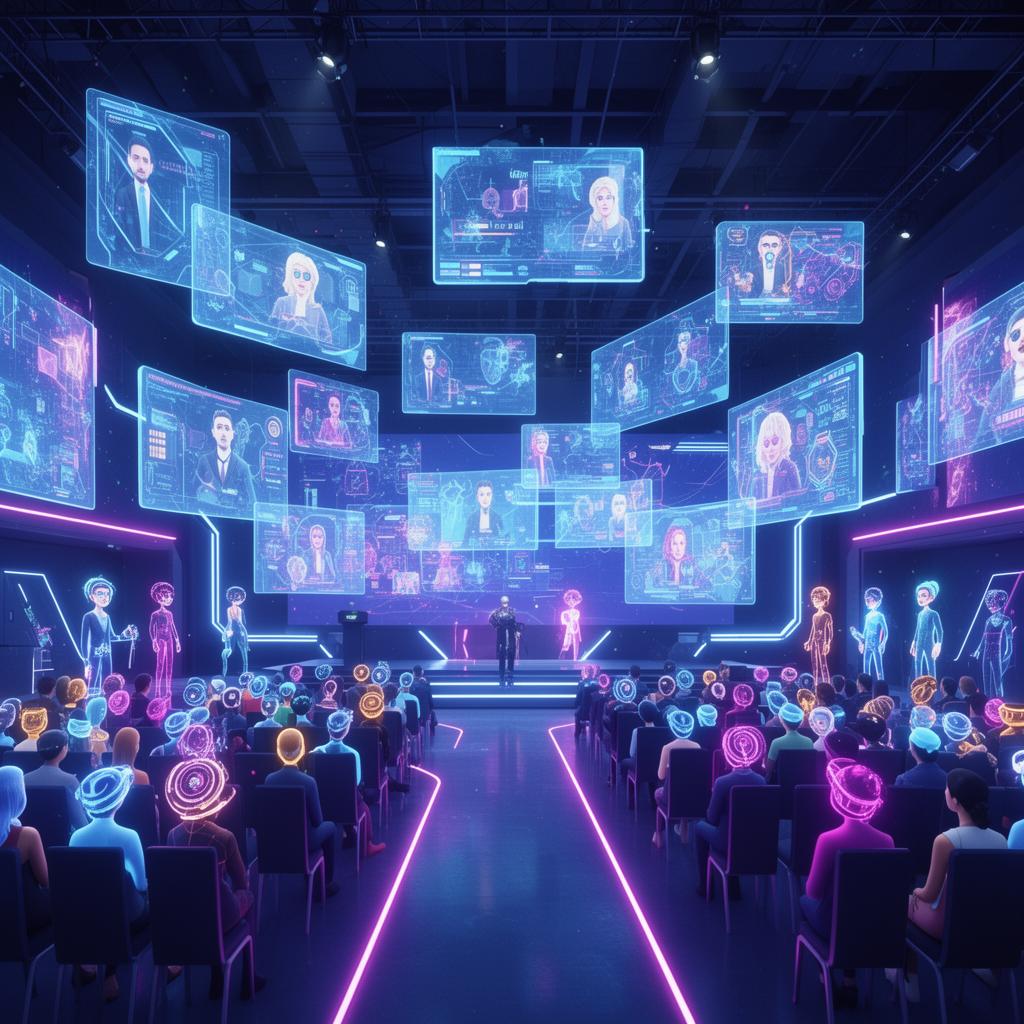
Create truly accessible virtual events for all attendees. Comprehensive guide to captions, screen readers, keyboard navigation, and inclusive design.
Virtual events offer unparalleled reach, but their true power lies in inclusivity. Ensuring accessibility means everyone, regardless of ability, can fully participate and engage. This guide outlines how to create truly accessible virtual events, fostering a welcoming environment for all attendees.
Problem/Challenge
Many virtual events inadvertently exclude individuals with disabilities. Common oversights include inaccessible platforms, lack of captioning, and navigation barriers. This creates a frustrating experience and limits the event's potential impact and audience diversity.
Solution Overview
Building accessible virtual events requires a proactive approach, integrating inclusive design from the planning stages. It involves selecting accessible platforms, providing diverse content formats, and offering robust support mechanisms. The goal is to remove barriers, allowing all attendees equal access to information and interaction.
Key Benefits
- Broadens audience reach and engagement
- Enhances brand reputation and social responsibility
- Fosters a more diverse and inclusive community
- Improves overall user experience for everyone
Implementation Tips
Prioritize accessibility features like live captioning and screen reader compatibility. Test your event platform thoroughly with accessibility tools before launch. Offer clear instructions and dedicated support for attendees needing assistance.
- Choose platforms with built-in accessibility features
- Provide live captions and transcripts for all audio content
- Ensure keyboard navigation is fully functional
- Offer materials in multiple accessible formats (e.g., text, audio, large print)
- Train presenters on accessible presentation best practices
Conclusion
Creating accessible virtual events isn't just a compliance issue; it's an opportunity to build a more equitable and engaging experience for everyone. By implementing these strategies, you can ensure your next virtual event is truly inclusive and impactful.
Key Insight
Prioritize accessibility from the outset to unlock the full potential of your virtual events.