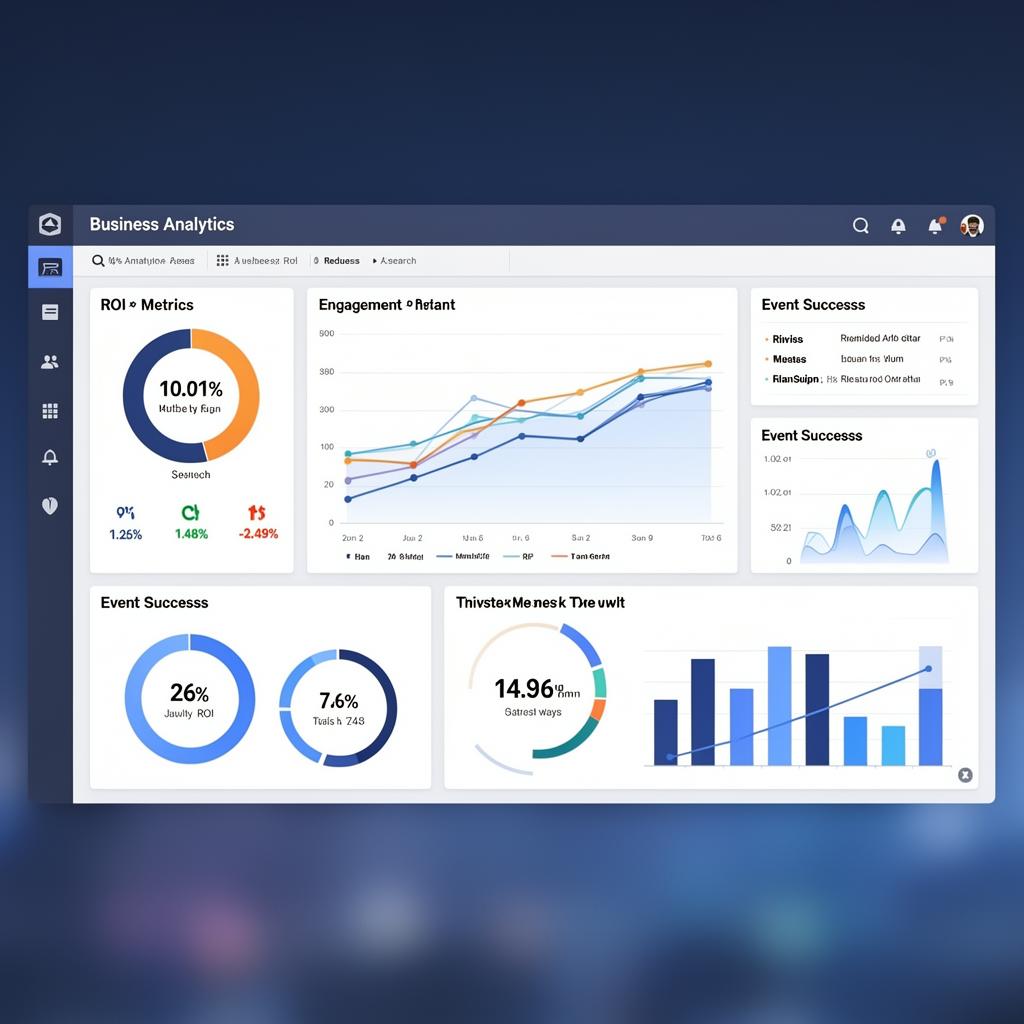
Discover how leading enterprises leverage interactive platforms for all-hands, training, and customer events. Real-world case studies and ROI metrics.
Fortune 500 companies are increasingly leveraging interactive platforms to transform their internal and external communications. These sophisticated tools are revolutionizing how leading enterprises conduct all-hands meetings, deliver comprehensive training, and engage with customers in dynamic, measurable ways. This shift reflects a strategic move towards more engaging, data-driven interactions across the organization.
Problem/Challenge
Traditional communication methods often fall short in large, distributed organizations. Dispersed workforces struggle with inconsistent messaging, low engagement in virtual events, and difficulty in measuring the impact of training or customer interactions. This leads to reduced productivity and missed opportunities for connection and feedback.
- Low engagement in virtual meetings
- Inconsistent training delivery
- Difficulty measuring event ROI
- Siloed communication channels
Solution Overview
Interactive platforms provide a centralized, dynamic environment for various corporate activities. They integrate features like live polling, Q&A, breakout rooms, gamification, and robust analytics, enabling real-time participation and data collection. These platforms are designed to scale, supporting thousands of participants simultaneously, whether for a global all-hands or a specialized customer webinar.
These solutions move beyond basic video conferencing by offering a rich, customizable experience. Companies can brand their events, tailor content delivery, and facilitate peer-to-peer interaction, fostering a sense of community and shared purpose. The focus is on creating an immersive experience that mirrors, and often surpasses, the engagement of in-person events.
Key Benefits
Interactive platforms deliver significant advantages for large enterprises. They enhance employee engagement, streamline training processes, and provide invaluable insights into audience behavior. This leads to more effective communication and better-informed strategic decisions.
- Increased attendee engagement and participation
- Standardized and scalable training delivery
- Real-time feedback and sentiment analysis
- Comprehensive analytics for ROI measurement
- Enhanced brand consistency across events
Implementation Tips
Successful integration of interactive platforms requires careful planning and a clear strategy. Start with a pilot program, gather feedback, and iterate to optimize the user experience. Training key stakeholders on the platform's full capabilities is crucial for maximizing its potential.
- Define clear objectives for each event type.
- Choose a platform with robust analytics and integration capabilities.
- Provide comprehensive training for hosts and moderators.
- Promote active participation through polls, Q&A, and interactive features.
- Analyze post-event data to refine future strategies.
Key Insight
Data-driven insights from interactive platforms are crucial for continuous improvement.
Conclusion
Interactive platforms are no longer just a convenience; they are a strategic imperative for Fortune 500 companies aiming for enhanced engagement, efficiency, and measurable outcomes. By embracing these technologies, enterprises can foster a more connected workforce and build stronger relationships with their customers. Explore how an interactive platform can transform your organization's communication strategy today.